DIY vs pro removals: costs, risks and when to hire
Moving house or office sounds straightforward right up until you're staring at a hallway full of boxes, a sofa that won't fit round the corner, and a rental van ticking away outside. That's usually the moment people start asking the real question: should I do this myself, or hire professionals? In the debate around DIY vs pro removals: costs, risks and when to hire, the cheapest option is not always the least expensive in the end. A bargain van can become a costly day of damaged furniture, sore backs, delays, and a very long evening.
This guide breaks down the practical side of the decision. We'll look at what each option really involves, where the hidden costs sit, which risks matter most, and the points where hiring help stops being a luxury and starts making proper sense. If you want a moving day that feels calmer and more controlled, this will help you get there.
Why DIY vs pro removals: costs, risks and when to hire Matters
At first glance, DIY removals look like the obvious saver. Hire a van, rally a few friends, pack a kettle, done. To be fair, that can work brilliantly for small, simple moves. But the costs are rarely just the van hire. You may also need fuel, trolley hire, packing materials, parking permits, insurance cover, food for helpers, and extra days off work if the move runs long. Then there's the human cost: fatigue, stress, and the kind of lifting you feel in your shoulders two days later every time you pick up a mug.
Professional removals cost more upfront, but that price often includes planning, labour, handling, equipment, and a better chance of everything arriving in one piece. For many people, the real decision is not "cheap versus expensive". It is "predictable versus uncertain".
This matters because moving day is one of those jobs where small problems stack up quickly. A tight stairwell, a wet pavement, a broken box, a late key handover, or a last-minute parking issue can throw the whole schedule off. If you're already juggling work, children, pets, or a completion deadline, that stress can be the difference between a manageable day and a total headache.
Expert summary: DIY removals can save money when the move is small, local, and low-risk. Professional removals become more valuable as the volume, distance, fragility, or pressure rises.
If you are moving a full household, a heavy wardrobe, or an office full of equipment, it is often worth looking at a proper service such as house removalists or commercial moves instead of trying to improvise on the day.
How DIY vs pro removals: costs, risks and when to hire Works
The mechanics are simple enough, but the experience is very different.
DIY removals
With a DIY move, you handle the packing, loading, transport, unloading, and usually the timing too. You choose the van, arrange the route, protect the furniture, and recruit help. Many people use a man and van style option for lighter moves, or go for removal truck hire if they need something larger. In a smaller move, this can be a smart middle ground. But the moment the job gets bulky or awkward, DIY starts to feel like an exercise in logistics rather than a saving exercise.
Professional removals
With a pro service, the moving company usually helps with planning the job, supplying the right vehicle, sending trained movers, and handling heavy or awkward items. Some firms also offer packing and unpacking services, which is a proper lifesaver when you are short on time or don't want to spend the week before moving date living among half-taped boxes.
In practical terms, professionals are there to reduce friction. They bring trolleys, blankets, straps, and a method. They know how to move wardrobes down staircases without turning the landing into a war zone. And yes, that matters more than people think.
Where the real costs sit
DIY costs are often underestimated because they are spread across several small things:
- van or truck hire
- fuel and mileage
- parking permits or parking fines if things go wrong
- packing materials, tape, covers, and labels
- insurance add-ons or excesses
- tools such as straps, dollies, blankets, or ramps
- food, drinks, and thank-you money for helpers
- lost time from work or overtime arranging the move
Professional costs are usually easier to compare because the quote tends to include labour and transport as one package. For a clearer picture of what influences price, see pricing and quotes. The point isn't that one is always cheaper. It's that DIY often looks cheaper until the day itself starts adding surprise charges in little sticky notes.
Key Benefits and Practical Advantages
Each route has its strengths, and the right choice depends on the move you're actually making, not the move you wish you were making.
Benefits of DIY removals
- Lower upfront spend if the move is small and local.
- Full control over packing order, timing, and loading.
- Flexibility if you can move over several trips or over a longer window.
- Good fit for light loads like suitcases, boxes, and a few pieces of furniture.
Benefits of professional removals
- Less physical strain for you and your friends.
- Better handling of heavy or fragile items.
- More efficient loading, which can reduce trips and delays.
- Reduced risk of damage to furniture, floors, and walls.
- More predictable moving day when timing is tight.
There's also the quiet benefit nobody talks about enough: peace of mind. When someone else is doing the loading while you're checking keys, meters, and paperwork, the day feels more manageable. Not glamorous, just better.
If your move includes one large item or a tricky collection rather than a whole house, a specialist such as furniture pick-up can be a more sensible fit than a full removal team.
Who This Is For and When It Makes Sense
This choice is not one-size-fits-all. Different moves call for different levels of help.
DIY is often suitable when:
- you are moving from a studio or small flat
- you only have a few boxes and modest furniture
- the move is local and parking is easy
- you have capable helpers available
- you can split the move over a few runs
Hiring professionals usually makes more sense when:
- you have large, heavy, or awkward furniture
- the property has stairs, narrow halls, or no lift
- you are working to a completion deadline
- you are moving long distance
- you have fragile items, valuables, or specialist equipment
- the move involves a family home, office, or business stock
For office moves, the stakes are different again. A delay can affect staff, phones, access, and trading. That's why services like office relocation services are often worth the investment even when the building itself looks easy to move.
And if you're thinking, "We can probably manage it ourselves", ask one honest question: what happens if the sofa jams halfway down the stairs at 4:30 in the afternoon? That's the moment the whole plan starts wobbling.
Step-by-Step Guidance
If you want to make a sensible decision, use a simple process. No drama, just a proper assessment.
- List everything you need to move. Include furniture, boxes, appliances, plants, and anything awkwardly shaped.
- Measure the large items. Check doorways, lifts, stair turns, and vehicle access. A sofa is only "easy" until it meets a tight landing.
- Work out the moving distance. A same-town move is very different from a cross-country one.
- Estimate the real DIY cost. Include van hire, fuel, packing supplies, and the value of your time.
- Think about the risk level. Fragile items, narrow access, and heavy lifting all push you toward professional help.
- Check your schedule. If you are rushing, exhausted, or managing handover timings, DIY becomes a lot less attractive.
- Compare options. Get a feel for a moving truck, a man-with-van setup, or a fuller removal service.
- Book early if hiring. Good moving dates vanish faster than people expect, especially at month-end and during school holidays.
A useful rule of thumb: if the move would be fine as long as nothing goes wrong, you are probably already in the zone where professional help deserves serious thought.
Expert Tips for Better Results
These are the small things that quietly make a move less painful.
- Use the right size vehicle. Too small means extra trips. Too large can mean wasted money or access problems.
- Pack by room, not by mood. Random box packing is how you end up hunting for bedding at 11 p.m.
- Label sides, not just tops. You will thank yourself when boxes are stacked.
- Keep essentials separate. Kettle, chargers, toiletries, important documents, and basic tools should travel with you.
- Protect floors and corners. A few cheap covers can save a deposit dispute later.
- Take photos of furniture before dismantling. It sounds fussy. It saves arguments with Allen keys.
- Ask about insurance before booking. Not because you expect trouble, but because clarity matters.
One thing people often miss: the best moving day is not necessarily the fastest one. It's the day that stays steady. Steady is underrated.
Common Mistakes to Avoid
Most moving problems come from the same handful of mistakes. The good news? They're avoidable.
- Underestimating volume. People almost always own more than they think.
- Choosing a van that is too small. This is the classic one. It looks fine on paper, then reality arrives with a sideboard.
- Forgetting access issues. Low bridges, tight streets, poor parking, and awkward lifts matter.
- Leaving packing too late. Last-minute packing leads to broken items and missing essentials.
- Relying on too few helpers. Two tired friends and a sofa is not a system.
- Ignoring insurance and liability. If something breaks, you need to know who is responsible.
- Overloading yourself physically. Back injuries are not a badge of honour.
Let's face it, most moves are a little chaotic. The trick is not to eliminate chaos entirely. It's to stop it from taking over the day.
Tools, Resources and Recommendations
You do not need a warehouse of gear to move well, but the right tools help enormously.
Useful DIY moving tools
- sturdy boxes in mixed sizes
- packing tape and dispenser
- labels or marker pens
- blankets or protective covers
- furniture straps
- trolley or sack truck
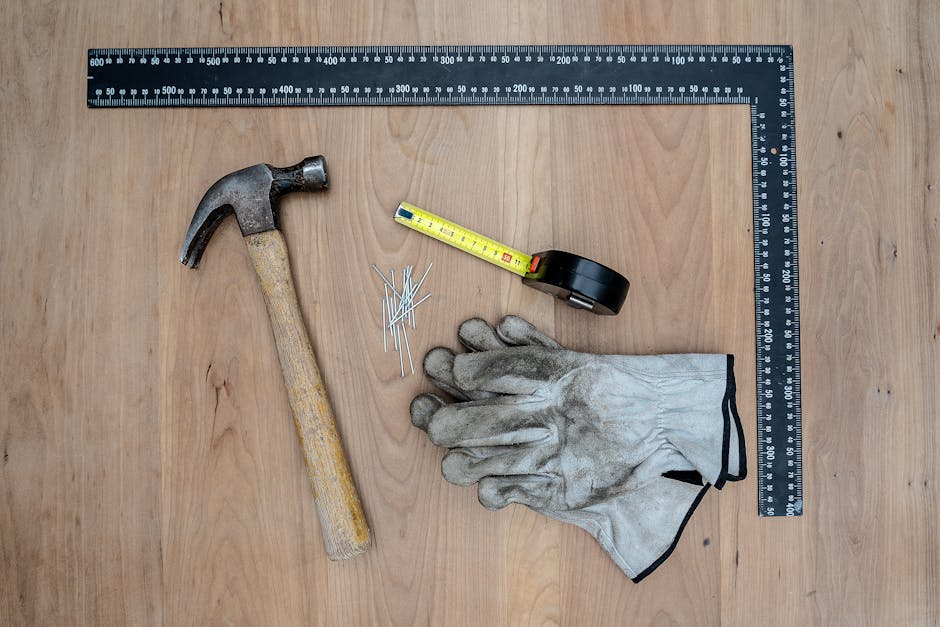
- gloves with decent grip
- basic screwdriver set and Allen keys
Useful service options to consider
- man and van for smaller loads or short local moves
- removal truck hire if you mainly need vehicle capacity
- packing and unpacking services if time is the bottleneck
- home moves for fuller residential relocations
If you care about waste reduction, it can also help to review recycling and sustainability before buying more packing materials than you truly need. A move can produce a surprising amount of cardboard and bubble wrap. A lot, actually.
Law, Compliance, Standards and Best Practice
Moving is not heavily regulated in the way some industries are, but there are still important expectations around safety, fair service, and responsible handling. If you hire a provider, you should expect clear pricing, sensible communication, and honest terms. That includes understanding what is covered, what is not covered, and how claims or complaints are handled.
For example, if parking permissions are required, or if your property management has rules about lift protection, timing, or access, those rules should be checked before moving day. Councils and landlords can be surprisingly strict about obstructing roads, loading bays, or shared spaces. Nothing dramatic, just the usual real-world admin that can trip people up.
Health and safety is also a practical issue, not just a paperwork issue. Repeated lifting, twisting, and carrying up stairs can cause strain very quickly. If you're moving heavy items, it's sensible to use proper lifting techniques, work in pairs where possible, and avoid rushing. A professional team should also approach the job with safe handling habits and the right equipment.
It is wise to ask about insurance, vehicle suitability, and liability before any booking. The details matter. You can review a provider's approach to health and safety policy and insurance and safety for a clearer picture of expectations. You should also look at practical matters like payment and security and the company's terms and conditions so you know what you are agreeing to.
Options, Methods, and Comparison Table
Here's a simple comparison to help you judge the trade-offs more clearly.
| Option | Typical best for | Cost profile | Main risks | Best when |
|---|---|---|---|---|
| DIY with your own vehicle | Very small loads, short trips | Lowest upfront, but variable | Damage, fatigue, multiple trips | You have time, access, and strong helpers |
| Van hire with helpers | Small to medium moves | Moderate, depends on duration and fuel | Loading errors, time pressure | You want flexibility without full service costs |
| Man and van | Light to medium domestic jobs | Often mid-range | Capacity limits, less support than a full team | You need transport and some labour, not the whole package |
| Professional removal team | Full house moves, fragile or heavy items | Higher upfront, more predictable | Usually fewer physical risks, but still choose carefully | You want efficiency, safety, and less personal effort |
For many households, the crossover point is simple: once furniture, timing, and access become complicated, the value of professional help rises quickly. And if the move is commercial rather than domestic, the case for experienced support gets stronger again.
Case Study or Real-World Example
Picture a fairly typical Saturday move. A couple are leaving a two-bed flat for a terraced house across town. On paper, it looks manageable. They have a small van booked, a few friends helping, and a spreadsheet that appears comforting until the first box is actually lifted.
By 10 a.m., they discover the parking bay outside the old flat is narrower than expected. One helper is late, another is already tired, and the wardrobe won't turn on the stair landing without being tilted at a very awkward angle. No one is panicking exactly, but the room has that tense, sweaty silence you only get on moving day. Tea is brewed too early. Someone mutters about "this should be the last run". It isn't.
In that situation, a professional team would likely have changed the shape of the day. Not magic, just experience: better packing order, quicker loading, fewer trips, and a much lower chance of scuffed walls or strained backs. The couple might still have chosen DIY, and that can be perfectly reasonable. But the real lesson is this: what seems cheap when you are calm can feel expensive when the clock is moving and the sofa is stuck sideways in the doorway.
That is also why services such as house removalists often make the most sense when there is a lot of furniture and not much margin for error.
Practical Checklist
Use this checklist before you decide.
- Have I measured the large items and checked access?
- Have I added up all DIY costs, not just van hire?
- Do I have enough help for loading and unloading?
- Is the move time-sensitive or tied to completion timings?
- Are there fragile, heavy, or high-value items involved?
- Could a damaged item cost more than the professional fee difference?
- Do I know what insurance cover applies?
- Will I still be physically capable of working safely by the end of the day?
- Would a man and van, removal truck hire, or a fuller service be better suited?
- Have I booked early enough to avoid last-minute stress?
If you can answer "yes" to most of the first four and "no" to most of the rest, DIY may be fine. If not, hiring help is probably the calmer choice.
Conclusion
The smartest moving decision is rarely the cheapest one on paper. It is the one that matches the size of the job, the level of risk, and the amount of pressure you're already under. DIY can be a good fit for smaller, simpler moves where you control the pace and the load is modest. Professional removals tend to pay off when you need speed, safer lifting, better organisation, or less stress on the day.
So, if you're weighing up DIY vs pro removals: costs, risks and when to hire, start by being honest about the job in front of you. Count the hidden costs. Respect the heavy lifting. And choose the option that gives you the clearest path from one front door to the next, without turning the day into a marathon you never meant to run.
If you are still comparing options, take a look at the service pages that match your move best, then decide from there with a cool head. That's usually where the best call sits.
Get a free quote today and see how much you can save.
Frequently Asked Questions
Is DIY removals always cheaper than hiring professionals?
Not always. DIY often has a lower upfront price, but once you add van hire, fuel, packing supplies, parking, and time off work, the total can climb fast. If anything gets damaged, the DIY route can end up costing more than expected.
When should I choose a man and van instead of full removals?
A man and van can suit smaller moves, lighter loads, or short local journeys. It is often a sensible middle ground if you need transport and some lifting help, but not a full team or large truck.
What are the biggest risks with DIY removals?
The main risks are injury, damage to furniture or property, poor time management, and underestimating how much space you actually need. Access problems and bad weather can make those risks worse very quickly.
How do I know if I need professional movers?
If you have heavy furniture, fragile items, stairs, a tight deadline, or limited help, professional movers are usually the safer choice. If the move would be stressful even before anything goes wrong, that is a good sign to hire.
Can I save money by packing myself and hiring movers for loading only?
Yes, in many cases. Some people prefer to pack their own boxes but leave lifting, loading, and transport to professionals. That can reduce costs while still cutting physical strain and risk.
Is a removal truck hire better than hiring a full service?
It depends on your skills, your helpers, and the size of the move. Removal truck hire can work if you are comfortable handling the loading yourself. A full service is better when the move is larger, more fragile, or time-sensitive.
What should I check before booking any moving service?
Check the quote details, what is included, how insurance works, what access the vehicle needs, and whether the company's terms suit your move. It also helps to ask how they handle fragile items and delays.
Do professional removals make sense for office moves?
Usually, yes. Office moves often involve equipment, furniture, access timing, and business continuity. A delay can disrupt staff and trading, so professional support tends to bring real value.
What items are most likely to cause problems on a DIY move?
Wardrobes, sofas, mattresses, glass tables, appliances, and anything heavy or awkward are common troublemakers. Items with odd shapes or limited grip also tend to be more difficult than they look.
How early should I book a professional removal company?
As early as you can, especially for month-end, weekends, and busy moving periods. The best time slots tend to go first, and last-minute bookings can leave you with fewer options.
Are packing and unpacking services worth paying for?
If time is tight or you dislike packing, they can be well worth it. They are especially helpful when you have a lot of fragile items, a family schedule to manage, or a move that needs to happen quickly.
What if my move is small but I still do not want the stress?
Then a smaller service may be the sweet spot. A compact van, a helper for loading, or a light removal package can remove the hardest parts without the cost of a full-scale team. That balance is often where people feel most relieved.